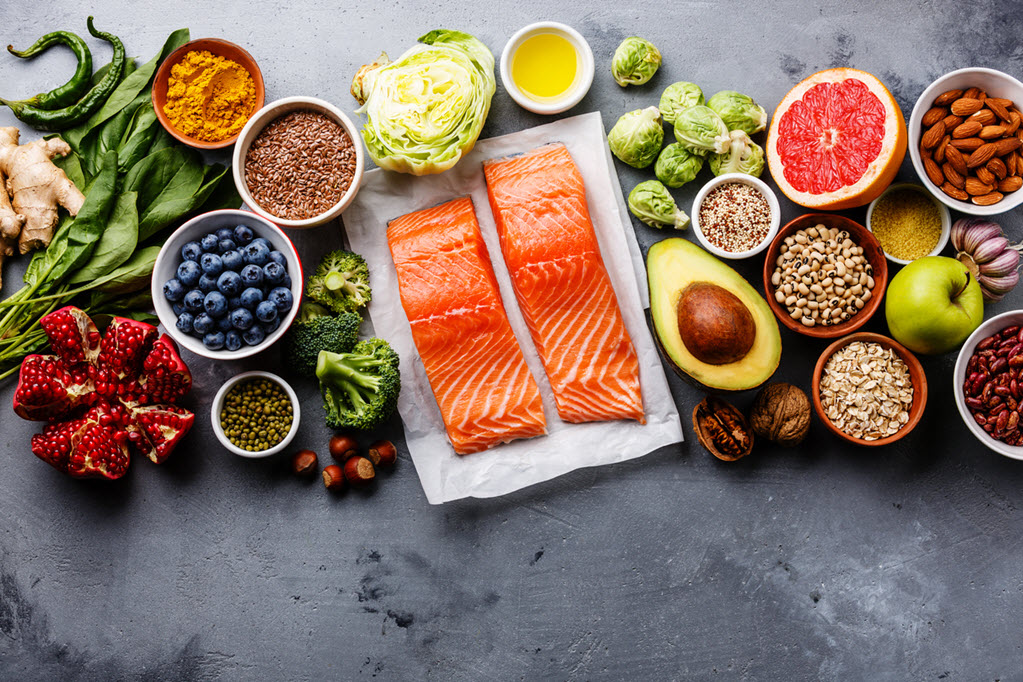
How can what we eat turbo boost memory and concentration, aid learning and preserve our cognitive abilities? Mind Health have a list of key brain foods that can help boost your brain.
Omega-3 fatty acids
Fish such as salmon, mackerel, sardines, chia seeds, and walnuts are packed with Omega-3 fatty acids which are important for normal brain function and development. Preparing home-made fish-fingers or fishcakes can be a great way to give the kids a healthy serve of Omega-3s.
B vitamins
B12 deficiency common in older adults can lead to depression-like symptoms. B vitamins aid in energy production and can be found in whole grains, leafy greens, eggs and lean meats.
Antioxidants
Found in berries, nuts and even dark chocolate, antioxidants are great for supporting overall brain health. Vitamin C and Vitamin E are a couple of key antioxidants found in these foods.
Zinc
Found in oysters, beef and pumpkin seeds, zinc helps reduce symptoms of depression and support cognitive function associated with learning, memory and problem solving.
Magnesium
Magnesium is involved in serotonin production and can be found in leafy greens, nuts and whole grains. All great for helping sleep quality.
Iron
Essential for oxygen transport, iron is found in red meat and beans, which is very helpful in the prevention of fatigue.
Vitamin D
The 'sunshine vitamin' Vitamin D is essential for brain function and mood regulation. Sunlight is a great source of vitamin D as well as fatty fish and egg yolks.
Probiotics
Kimchi, sauerkraut and yoghurt are a good source of probiotics. Probiotics are beneficial bacteria that support gut health.
Tryptophan
An amino acid that is key to mood regulation. Turkey, chicken, eggs, cheese and nuts may help sleep quality.
Selenium
May help reduce inflammation and help with improved cognitive function. Found in brazil nuts, fish, meat and eggs.
Snacks on-the-go to improve concentration
Focus on protein-rich foods as they will satisfy you for longer and stabilise blood sugar levels, preventing any afternoon slumps. Suggestions include:
- a handful of nuts and seeds (such as almonds, walnuts, brazil nuts, pumpkin and sunflower seeds)
- a mug of miso soup
- avocado and hummus on rice crackers
- tuna
- for the sweet tooth, protein balls or bars – but make sure they have added protein or at least a good dose of nuts.
It’s worth noting that many products on the market are filled with dates or other dried fruit, which taste great but they raise blood sugar levels before crashing down. Avoid these if you can. Instead, make your own snack bars or slice in big batches as most will keep in the fridge or freezer quite well.
Is there such a thing as a ‘superfood’?
While foods such as broccoli, kale and salmon have a high nutritional profile and mineral content and can be thought of as superfoods, more exotic suggestions continue to grab the headlines. It’s vital to keep in mind that we are all have different requirements, so what may be beneficial for one person may not be right for you.
Often, people will include three to four different superfoods to their day but not eat any fresh vegetables. Including a superfood in your diet should not replace a balanced diet.